












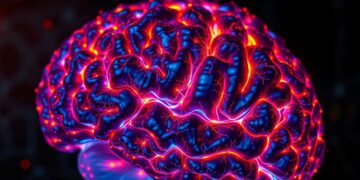














Our brains use hidden biases and cognitive biases to make decisions easier, often without us realizing it. These mental shortcuts are shaped by evolution but can lead to mistakes. From a very young age, biases start forming.
Infants prefer faces they know, and newborns recognize languages they heard in the womb. This shows how bias begins early, before we even know it.
Scientists like Professor Iris Berent explain that parts of our brain, like the amygdala and prefrontal cortex, drive these biases. The amygdala reacts quickly to threats, while the prefrontal cortex tries to control these biases. Yet, these patterns continue to shape our views, even when they’re not accurate.
Confirmation bias is a big one, making 70% of us favor information that agrees with us, ignoring opposing facts. This happens so fast, we might not even notice. Knowing about these hidden forces helps us understand why our decisions might seem natural but are often biased. The good news is that becoming aware is the first step to making better choices.
Understanding Hidden Biases in Everyday Thinking
Unconscious biases shape our decisions without us realizing it. These implicit thinking patterns act as mental blind spots. They guide our choices, from job hiring to social interactions. The brain uses shortcuts to deal with too much information, leading to quick judgments.
For example, studies show people with “white-sounding” names get 50% more callbacks than those with ethnic names. This shows biases affect real-life outcomes.
Even leaders use these shortcuts. Over 60% of CEOs are over six feet tall, though only 15% of men reach that height. This suggests hidden preferences for certain traits. These biases aren’t just in workplaces.
Children as young as three start learning societal stereotypes. They form implicit beliefs without even realizing it.
Psychologists use tests like the Implicit Association Test to uncover hidden prejudices. Over 3.75 million people worldwide have taken these tests. 85% showed some bias toward specific groups. Yet, knowing about these biases is the first step to change.
When people discover their unconscious biases, 75% want to change their behavior. From hiring to classroom interactions, these biases affect us all. Understanding how these shortcuts work is the first step to fairer choices. Small changes in awareness can make our thinking more equal.
The Psychology Behind Bias
Psychological biases shape how we see the world, often without us realizing it. Cognitive dissonance makes us avoid info that goes against what we believe. For example, 68% of young white Americans mostly hang out with people of their own race. This limits their exposure to different views.
This discomfort with opposing views makes us stick to what we know. It’s like we’re afraid to change our minds.

Confirmation bias makes this cycle worse. We look for evidence that supports our beliefs and ignore the rest. At work, this can lead to bad decisions because we stop looking for more information once we find something that agrees with us.
Beliefs start forming early, thanks to our social environments. For instance, 59% of Hispanics live in mixed-race communities. Yet, their biases might filter out interactions that don’t fit their preconceptions.
These biases explain why they’re so hard to change. A 2006 study found that when a group is less than 13% diverse, people feel left out. This feeling can make biases even stronger. It affects healthcare too—doctors with biases often give Black patients worse care, as the CDC reported in 2021.
But beliefs can change. Seeing different viewpoints can shift our biases. Yet, most people don’t even know they’re using these mental shortcuts. The first step to overcoming biases is to understand them.
Types of Hidden Biases
Hidden biases shape how we judge others in many ways. Implicit bias works without us realizing it, affecting choices like who to hire. For example, men often earn 18% more than women, due to unconscious gender biases.
Stereotyping puts people into groups, like thinking older people are less competent. Over 60% of workers over 45 face age discrimination. This shows how bias categories limit inclusivity. The anchoring effect focuses too much on first impressions, like a candidate’s school name, ignoring their skills.
Recruiters might prefer candidates with names that sound Anglo, reducing diversity. The halo effect and horns effect also skew hiring. Name, age, and appearance biases limit team diversity, stifling creativity. There are over 19 types of bias, from favoring similar personalities to seeking proof for existing beliefs.
These biases harm companies: 68% of employees say they damage workplace culture. But, using structured processes like standardized interviews can help. By understanding these biases, companies can create fairer environments.
The Impact of Hidden Biases
Hidden biases don’t stay hidden for long. Workplace bias sneaks into offices every day, shaping decisions without anyone noticing. A resume with a “whiter” name gets 50% more callbacks than one with an ethnic-sounding name. This shows how decision-making errors can cost talent.
Judges sentence darker-skinned defendants to harsher terms for the same crimes. This shows how bias consequences distort justice.

At home, relationship impacts arise when we assume we “know” others’ thoughts. “Mind-reading” bias turns misunderstandings into rifts. Employees often blame colleagues unconsciously.
These patterns repeat in hiring, promotions, and team dynamics.
In a business setting, employees frequently play the blame game: “If it wasn’t for X, that project would have been successful.
Biases also warp healthcare. Black and Latino patients face slower treatment, and students underperform when reminded of stereotypes. Yet most Americans believe they’re unbiased—ignoring how these automatic judgments shape lives.
Awareness is the first step to replacing blame games with accountability. The stakes are high, but recognizing workplace bias starts with owning the invisible forces steering our choices.
Recognizing Your Own Biases
Self-awareness begins with knowing biases exist, even when we’re not aware. Cognitive reflection—thinking twice about our instincts—can uncover hidden patterns in our decisions. Tools like the Implicit Association Test (IAT) from Project Implicit help us see these blind spots. They show that recognizing biases starts with curiosity, not judgment.
Understanding how these mind tricks happen is the first stage to formulating a solution.
Mindfulness practices, like journaling during stressful times, help us analyze our reactions. A 2020 study found interviewers sat farther from Black candidates than white ones. This shows why daily cognitive reflection is important—it helps us spot these patterns and change.
Children as young as 3 pick up on stereotypes, but adults can change their minds through practice. Writing down daily interactions or meditating before big decisions helps us become more self-aware. The American Academy of Family Physicians suggests using tools like IMPLICIT to pause, question, and adjust our responses.
Bias recognition is about growing, not blaming. By using these methods, we can turn awareness into action, one mindful choice at a time.
Strategies to Overcome Biases
Starting to reduce biases is simple yet consistent. Patricia Devine’s research shows three essential steps: intention, attention, and time. Her study had participants practice perspective-taking every day. This means seeing life from someone else’s point of view, not just your own.

To gain diversity benefits, expand your social circle. For instance, 75% of white Americans only have white friends, missing out on different views. Meeting people from various backgrounds helps challenge your assumptions. Also, ask for constructive feedback on how your actions might affect others. Be open to hearing their thoughts, even if they differ from yours.
“Make an effort to be curious about opposing views and really listen to what colleagues and clients have to say and why.”
Neuroscience reveals 98% of our biases are unconscious. To fight this, combine perspective-taking with self-reflection. Keep track of times when you make quick judgments. With time, this practice can change your habits. Tools like the Implicit Association Test (IAT) can also show hidden biases, helping you improve.
Change doesn’t happen overnight. It’s about making small steps every day. Learning from mistakes and valuing different opinions is key. The aim is to move towards fairness in our choices and interactions, not to be perfect.
Bias in Media and Advertising
News headlines, ads, and social feeds shape our view of the world—but not always fairly. Media influence uses advertising psychology to get us to feel certain ways. For example, headlines might focus on a politician’s mistake instead of their policies, leading us to a biased view.
Social media algorithms make this worse by showing us content that agrees with what we already believe. This creates echo chambers where we only see one side of the story.
Ads often use shortcuts in our thinking. Brands use tricks like “limited stock” warnings or celebrity endorsements to make us act fast. Research shows that ads that are progressive do better, but many ads stick to old stereotypes.
The New York Times recently talked about its mostly urban, college-educated staff. This shows how diverse or not a team is can affect the stories they tell.
Trust in media has really dropped: only 31% of Americans trust mass media now, down from 70% in 1976. This shows more people are learning to be critical of media. To spot bias, ask who benefits from the message and what facts are missing. Check different sources and watch for language that tries to sway you.
Being empowered means seeing media as a puzzle to solve, not just news.
The Role of Education in Reducing Bias
Education shapes our view of the world and helps us unlearn harmful biases. Studies show preschool teachers looked longer at Black children than white ones, even when they acted the same. This shows how educational approaches must actively fight these biases. Bias education starts early, teaching us to question our assumptions through cognitive development.
Building critical thinking skills starts in the classroom. Anti-bias education has four main goals: identity, diversity, justice, and activism. These goals help kids see unfairness and take action. For instance, training teachers in empathy cut student suspensions by 50%.
Mindfulness practices also help reduce implicit bias. This shows that even small changes in teaching methods can make a big difference.
Curricula need to include diverse perspectives and lessons on cognitive biases. When teachers tackle gender stereotypes or racial disparities directly, students learn to think critically. Cross-group friendships in schools, backed by research, help reduce prejudice through interaction.
By teaching these skills, education becomes a powerful tool for building fairer communities. It does this one classroom at a time.
Case Studies on Bias in Action
Every day, we make decisions without realizing it. One bias example is in hiring. Studies show Asian applicants with “foreign-sounding” names get called back 28% less than those with Anglo names. This shows how our perceptions can block opportunities.
In healthcare, doctors with high bias scores talk more with Black patients, lowering trust. Another real-life cognitive error is when managers ignore team members’ ideas, stopping innovation. These bias examples show how assumptions can hurt workplaces.
“The first step to change is awareness,” wrote psychologists Mahzarin Banaji and Anthony Greenwald, pioneers in implicit bias research. “Without confronting these patterns, systems remain stuck.”
From these bias case studies, we learn important lessons. Companies that hide names on resumes see a 15% drop in bias. In schools, teachers’ biases can push girls away from STEM fields. By age 6, 60% of kids have gender stereotypes. These real-life cognitive errors highlight the need for training and accountability.
Legal actions also play a role: 58% of older workers face age discrimination, leading to lawsuits. But, there are solutions. Bias-aware hiring tools can cut gender pay gaps by up to 13%. These stories show that learning from past mistakes can change our future.
The Future of Bias Research
Researchers are finding new ways to fight hidden biases with cognitive science advances.
“How we see consciousness may shape how we address bias,”
notes recent neuroscience research challenging old assumptions. Breakthroughs inneuroscience research show how brain patterns linked to bias start early in life. This gives clues for early intervention.

AI bias detection tools are now spotting prejudices in hiring, healthcare, and education. Stanford researchers found AI models often link Black names to negative traits. This shows systems reflect human flaws. Amazon scrapped a hiring algorithm after it downgraded female candidates, showing tech’s hidden risks. Future future bias studies will focus on auditing AI to prevent such errors.
Medical schools are using VR simulations to train providers in recognizing implicit bias. Neuroscientists map brain activity during biased decisions, while behavioral economists design fairer hiring tools. These cognitive science advances aim to make workplaces, classrooms, and hospitals more equitable. As tools evolve, so will our ability to confront bias before it harms others.
Conclusion: Embracing a Bias-Aware Mindset
Bias awareness is a daily practice, not a finish line. It starts with small steps towards open-mindedness. Reflect on your decisions, like in hiring or friendships. Tools like Implicit Association Tests (IAT) can reveal hidden biases.
Mindfulness keeps self-awareness sharp. These habits help build a growth mindset. They turn awareness into action.
Constructive dialogues are key. Talk about biases openly with others. Use nonjudgmental language. For example, share studies on how resumes with minority names get fewer callbacks.
Discussing solutions, like structured hiring, can spark change. It reduces defensiveness. This leads to real progress.
Cognitive biases shape our decisions without us realizing it. Emotional intelligence counters these biases. It fosters empathy and flexible thinking.
Organizations that use interactive training see better teamwork and innovation. Even small actions, like pausing before judging, can make a big difference.
Change starts with curiosity, not perfection. Celebrate every step forward. When workplaces track diversity or revise policies, individual efforts add up.
Overcoming bias is about choosing to act differently. This journey strengthens relationships and workplaces. The path forward is clear: stay curious, stay engaged, and keep learning.