



























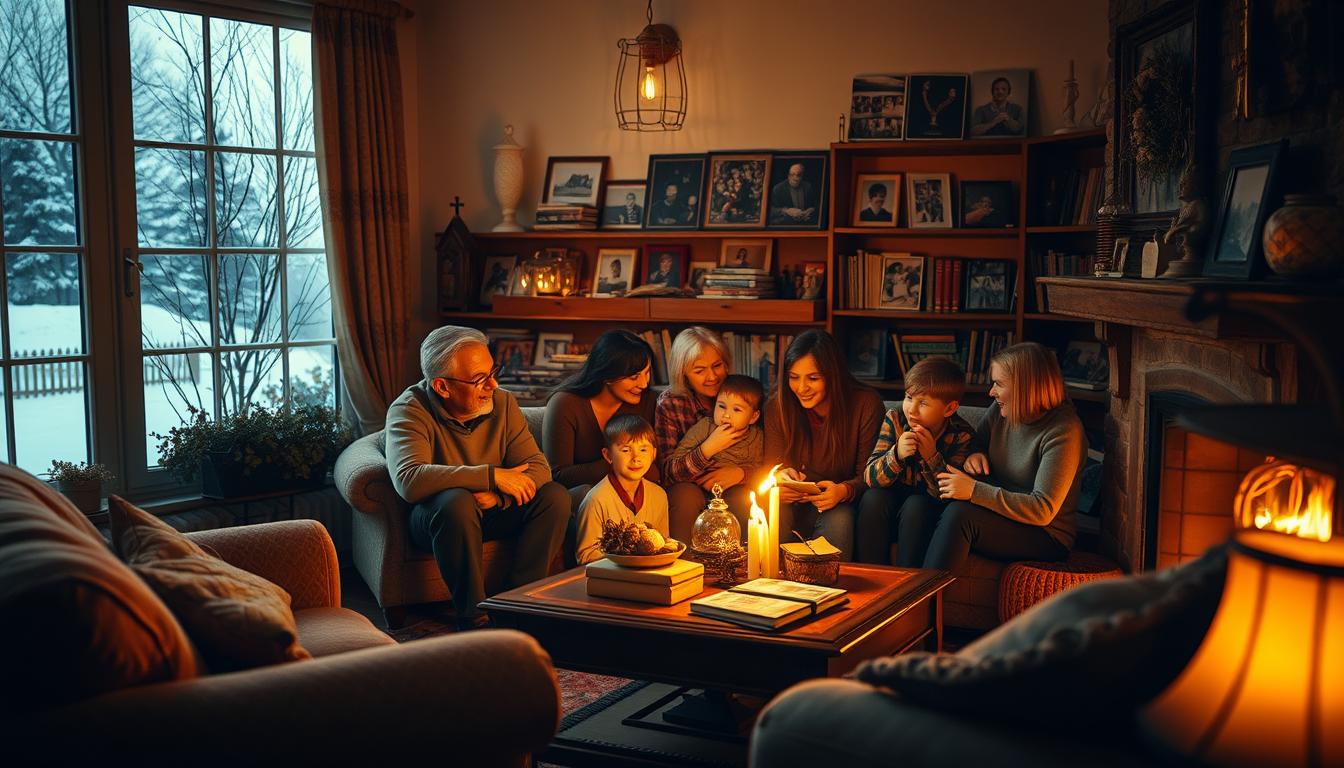
Nostalgia is more than just feeling nostalgic. It helps us understand who we are and what we value. Memories from family, friends, or important moments shape our approach to today’s challenges.
Looking back, we learn from both our successes and failures. This helps us make better choices in the future.
Studies show 70% of people see nostalgia as a way to grow personally. Dr. Sedikides, who created the Southampton Nostalgia Scale, found nostalgia strengthens our resilience. By looking back, we find our strengths and connections, preparing us for the future.
The Definition of Nostalgia and Its Impact
The meaning of nostalgia started as a term for homesickness in 1688, coined by Swiss physician Johannes Hofer. Over time, nostalgia psychology changed from being seen as an illness to a common human feeling. Now, it’s viewed as a mix of nostalgic feelings that shape our identity and emotions.
Research shows emotional impact can be different. Positive nostalgia can make us feel better, while negative nostalgia can make us long for the past. For instance, Mr. Bromberg, a WWII war artist, found strength in revisiting his sketches. He linked his past to his current creativity.
Studies also show that nostalgia can reduce stress, boost self-esteem, and even inspire us to take action. Like how 50% of people use cherished memories to fuel their goals.
Modern science tells us why nostalgia isn’t just about feeling sentimental. It’s a way to connect with others. When life changes—like moving or aging—nostalgic reflections help us adjust. But, it’s important to find a balance. Too much focus on the past can hold us back. Understanding this balance lets us enjoy nostalgia’s warmth without losing sight of the future.
The Role of Memory in Shaping Our Lives
Our autobiographical memory isn’t just a static record of the past. It evolves with us, updating with new insights. This memory formation helps us grow by learning from past experiences. For instance, remembering when you faced a fear can boost your courage today.

Memories serve as guides for us. By examining what worked and what didn’t, we make better choices. This learning from memory builds our resilience. Emotional moments, like a first win or a hard lesson, are memorable because of the feelings they evoke. These lessons guide us in facing new challenges.
Studies reveal that reflecting on our experiences keeps us creative and calm. Yet, holding onto the past too tightly can hinder progress. The aim is to use memories to grow, not to be trapped in them. Every memory is a tool, not a destination.
Nostalgia and Personal Growth
Nostalgia is more than just missing the past—it’s a way to grow. Looking back at our struggles and wins through reflective practice helps us develop a growth mindset. Research shows 60% of people use nostalgia to deal with stress, turning memories into power for self-improvement. By examining past battles, we find patterns that guide our choices today.
Think about a time you beat a tough spot. That memory isn’t just a tale—it’s proof of your strength. Studies show people who think about past hurdles have 30% higher self-esteem. For instance, someone starting a new career might find courage in past victories. This reflective practice boosts confidence to face new challenges.
“Nostalgia reminds us of who we’ve been and who we can become,” notes psychologist Clay Routledge. His 2013 research shows nostalgic reflection acts as a protective shield against mental health struggles.
Anticipatory nostalgia, as studied by Cheung et al. (2019), helps us see future challenges through past successes. This mindset shift turns fear into drive. By embracing both the good and lessons from the past, we create a clear path ahead without getting stuck in the past.
See nostalgia as a guide, not a retreat. It’s a self-improvement tool that turns memories into useful lessons, building resilience and clarity for today’s hurdles.
Nostalgia in Popular Culture
Retro trends are big in entertainment today, showing the past’s lasting impact. Movies like Dungeons & Dragons and Barbie bring back old toys and icons. This is no accident—studios aim to tap into our love for the familiar.
In 2023, 80% of top movies were sequels or reboots. They use nostalgia to attract viewers. Even songs like Queen’s “Bohemian Rhapsody” keep getting millions of streams. They offer comfort in uncertain times.
Netflix spends $100 million to keep shows like Friends available. Fashion and gaming also see a rise in retro trends. These aren’t just about style; they’re about emotional connections.

Younger viewers, raised on streaming, discover music and films their parents loved. This creates a cycle of FOMO-driven exploration. Marketers know nostalgia makes things instantly relatable.
Even action movies like Fast & Furious and Indiana Jones keep their aging stars. It’s a mix of wanting new stories and holding onto the familiar. In a world of endless options, vintage appeal offers a connection to simpler times.
The Social Aspect of Nostalgia
Nostalgia isn’t just for one person—it connects us all. Imagine family gatherings where grandparents share stories, or friends laughing over old photos. These shared experiences make collective memories that strengthen social bonding.
A study found that reminiscing together boosts feelings of belonging. It turns individual moments into communal treasures.
Think about traditions like holiday meals or annual reunions. They’re more than routines—they’re rituals that forge community connection. When families pass down heirlooms or retell ancestors’ tales, they build identity and unity.
Research shows that such practices help younger generations feel rooted. They link past and present through shared history.
During the pandemic, nostalgia surged as people clung to past joys. Travel booms post-lockdown showed how revisiting favorite spots or rewatching old movies helped rebuild social ties. Even small acts—like a weekly Zoom call where friends share decade-old photos—can reignite bonds.
These moments aren’t just sentimental; they’re social glue. They prove that nostalgia thrives when shared.
So, host a memory night with friends or record family stories. By making nostalgia a group activity, you turn personal reflections into shared strength. After all, our past isn’t just ours—it’s a thread in the fabric of our relationships.
The Science Behind Nostalgia
Neuroscience research shows how our brains and nostalgia are connected. When we feel nostalgic, certain brain parts like the prefrontal cortex, amygdala, and hippocampus light up. These areas deal with memories, emotions, and who we are, linking our past to now. 
Studies reveal that certain triggers, like songs or smells, bring back vivid memories. The connection between the olfactory bulb and the hippocampus explains why smells can be so nostalgic. For example, a 2023 study in Current Opinion in Psychology found that these triggers can improve our mood and connections with others. Even painful experiences can feel less intense when we remember happy moments, as shown in experiments.
“Nostalgia’s selective memory aids survival by highlighting positive past experiences,” explains psychologist Constantine Sedikides. “This mental filter helps us face challenges.”
Research also shows that nostalgia activates our brain’s reward centers, releasing happy chemicals. This is why going back to old hobbies or looking at family photos can make us feel good. Studies back this up: nostalgia can make us stronger and more optimistic, even when things are tough.
The Positive Effects of Nostalgia
Nostalgia isn’t just a fleeting feeling—it brings psychological benefits that boost emotional strength. Studies show that thinking about happy memories can be a source of comfort when things are uncertain. A 2020 study in the Journal of Personality and Social Psychology found that nostalgia can increase self-confidence and hope by reminding us of past achievements.
During the pandemic, many people found comfort in nostalgia. They turned to shared memories to ease the feeling of being alone.
“Nostalgia is mainly connected to good health, like finding meaning in life and staying optimistic.”
When we connect past experiences to our life story, we find meaning. A 2021 study found that thinking about nostalgic events made people feel more connected to their values. This helps us see challenges as part of a bigger journey.
Even small moments of nostalgia, like listening to old songs, can help us feel less lonely and more hopeful.
Regularly engaging with nostalgia can make us more emotionally resilient. A 2021 study showed that a six-week program boosted motivation and improved life satisfaction. By looking back at moments of growth, we discover our ability to adapt and thrive through change.
Nostalgia and Generational Differences
How we connect with the past changes with age. Millennials often look back at the 2000s, with MySpace and early smartphones. Gen Z, on the other hand, loves the 90s, with its retro fashion and shows like Stranger Things. Both groups find comfort in revisiting the past, with 50% of Gen Z and 47% of Millennials feeling nostalgic for media from earlier decades.

Shared media can help bridge age gaps. The success of Top Gun: Maverick and Stranger Things shows how past-inspired content brings people together. Yet, 40% of Gen Z turns to vintage TV shows and retro music for comfort. Cultural analyst Linda Carter says, “Nostalgia acts as a shield against today’s anxieties, but it also creates opportunities for dialogue.”
Start conversations by sharing favorite childhood toys, music, or family stories. Older generations might share 80s mixtapes, while younger generations can explain TikTok’s role in reviving 90s fashion. It’s not about agreeing—it’s about valuing each other’s pasts. Music, for example, is a powerful tool, with 55% of people using it to revisit happy memories.
Balancing Nostalgia with Progress
Nostalgia is powerful, but holding onto the past can hold us back. A balanced perspective lets us cherish memories while moving forward. Studies show 65% of people use nostalgia to guide their future choices, showing its value when used wisely.
The key is to avoid unhealthy rumination. This means not getting stuck in regrets but learning from them.
Mindful reflection turns nostalgia into a useful tool. Ask yourself: Does this memory inspire me or keep me stuck in the past? Harvard Business Review suggests writing about cherished moments before setting goals. This sparks creativity and clarity.
This practice helps us blend past wisdom with current efforts. It’s about forward-looking nostalgia.
“Nostalgia’s ambivalence lies in its mix of longing and hope,” noted Elsevier’s 2023 study. “But hope drives progress.”
Remember, 70% of people feel happier through positive memories. But 30% who ruminate too much report lower life satisfaction. Let nostalgia guide you, not control you. Celebrate your achievements and then look to the future. Your past is a compass, not an anchor.
Practical Ways to Harness Nostalgia
Use reflection techniques like the “look back/look forward” exercise to grow. Write down past year’s themes, challenges, or milestones. Tools like Climer Cards ($29.95) help connect past experiences to new goals.
For solo reflection, try LEGO’s 21 activity kits. They help spark creativity from childhood. This can lead to fresh ideas.
Preserve memories with journaling methods. Write down important moments or draw timelines. Apps like Day One or analog albums help track progress.
Have intentional reminiscence sessions with old photos or letters. This sparks gratitude or problem-solving. Research shows positive emotions improve memory.
Memory preservation is more than saving keepsakes. It’s about making them useful. Schedule reflection early to avoid late-night overthinking.
Use prompts like “What did I learn from [past project]?” for sessions. Whether with Climer Cards ($64.95) or simple lists, these practices turn nostalgia into action.