


























Ever felt a sudden urge to choose without knowing why? That’s your gut instinct. Rachel Wolchin said, “Your brain can play tricks, your heart can be blind, but your gut is always right.” Gut feelings come from the subconscious info our brains process every day. They guide our decisions, from picking a job to staying safe, using our past experiences.
In 2023, Australians spent $7 billion on lottery tickets, ignoring the odds. This shows how intuition can sometimes lead us astray. Yet, Joel Pearson, who studied gut feelings for 25 years, found intuition is learned, useful, and based on unconscious signs. For example, catching a ball or pulling a child from danger happens without thinking.
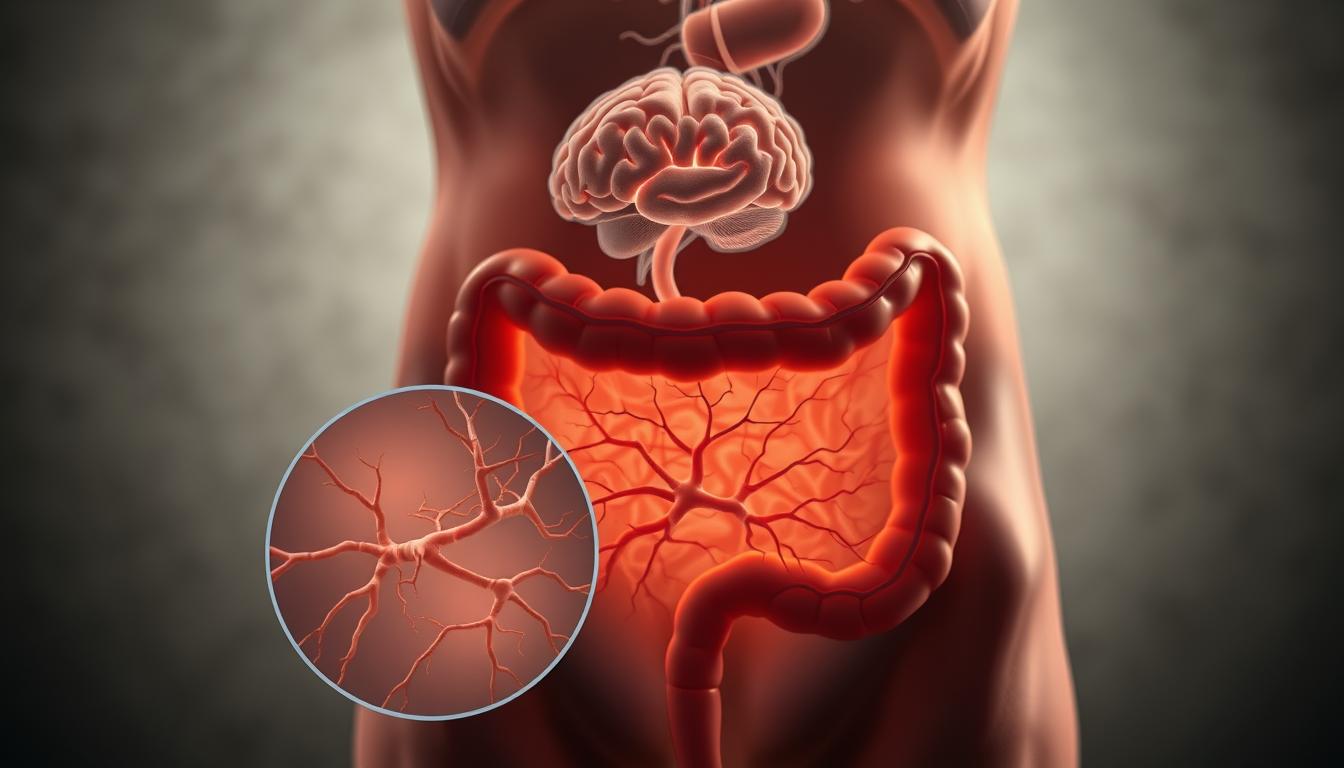
Science says gut instinct is linked to the enteric nervous system, with 100 million neurons. This “second brain” talks to the vagus nerve, signaling safety or danger. While gut feelings can lead to good choices, relying on them too much during stress or new situations can lead to bad outcomes. Mixing intuition with data, like A/B testing or team feedback, helps leaders make better decisions. This shows gut instinct and logic can work together.
Understanding Intuition: A Deep Dive
Intuition isn’t magic—it’s intuitive intelligence at work. This mental process gives us quick insights by using subconscious information from our experiences. It’s like your brain’s “autopilot” mode, as psychologist Daniel Kahneman said.
His research shows how our brain works in two ways. System 1 is fast and automatic, while System 2 is slow and analytical.
Behind the scenes, unconscious intelligence sorts through memories, emotions, and what’s around us. The amygdala and ventromedial prefrontal cortex are key brain areas for making decisions. They send out signals like a stomach drop or sudden clarity.
“The gut has its own nervous system, capable of producing brain-like chemicals that influence choices.”
Studies reveal 62% of CEOs trust their gut when data is unclear. This matches psychologist Gerd Gigerenzer’s findings. He showed that expertise makes our gut feelings more accurate.
When we face tough choices, like a surgeon in an emergency, our brain uses subconscious data to act fast.
Intuition isn’t perfect. Without experience, it can fail. But with knowledge, it becomes very powerful. Like a muscle, it gets stronger with practice. This helps us deal with life’s unknowns with confidence.
The Neuroscience of Gut Feelings
Scientists have found that the neuroscience of intuition involves brain areas like the insula and anterior cingulate cortex. These spots light up when we feel something is right, even without thinking it through. It’s like your brain is reading quickly, spotting patterns before words can.

Pattern recognition is key here. Your brain compares new situations to past ones, even if you’re not aware. For example, a familiar danger sign might make you alert before you even think about it. This shows how intuition focuses on what’s important, ignoring the rest.
Embodied cognition explains why gut feelings feel like they’re in your body. Feeling stressed? That might be your gut talking to your brain through the vagus nerve. Most serotonin, the “feel-good” chemical, is in the gut, linking digestion to mood. Studies show IBS patients often feel anxious, proving the mind-body connection is real.
Neuroscientists also talk about the enteric nervous system (ENS), with 200-600 million neurons. It acts like a “second brain,” sending messages to the brain about hunger or danger. This shows how our gut and brain work together, proving intuition is just biology.
The Role of the Gut Microbiome
Scientists now see the gut microbiome as more than just a digestion helper. Trillions of microbes in our digestive system interact with the gut-brain connection. This interaction shapes how we feel and decide.
Recent studies show that emotions directly impact gut bacteria diversity. For example, a 2023 study of over 200 women found that those suppressing emotions had less diverse microbiomes. Those reporting happier moods showed lower levels of certain bacteria, while negative emotions increased these microbes.
The gut-brain connection involves neurons in the gut communicating via the vagus nerve. This network produces 90% of the body’s serotonin, a mood chemical linked to happiness. Antidepressants like Prozac target this pathway, showing how gut health ties to mental states.
Embodied cognition theories explain how bodily signals reflect the microbiome’s influence on intuition. When we “trust our gut,” it’s partly the microbiome talking. Studies show gut bacteria can even alter behavior and perception through neurotransmitter production.
Researchers at the Future Minds Lab note that microbiome diversity correlates with interoception—the ability to sense internal states. Those with keener interoception often make faster intuitive choices, like athletes “reading” a play. This research bridges ancient sayings like “go with your gut” with modern science, showing how our second brain shapes decision-making.
Intuition vs. Logic: A Comparison
Research shows big differences between rational vs. intuitive thinking. A University of New South Wales study found intuitive decision-making is better in emotional situations. People made quicker choices, showing what their bodies knew before they did.

Experts like chefs and designers often do better than those who rely on logic. For example, Erik Dane’s research showed appraisers could spot fake bags 20% better by trusting their gut. But, biases in intuition can happen when feelings take over facts. Kahneman’s studies showed how framing things can influence choices, even if the outcomes are the same.
“Somatic markers guide risk perception,” as seen in the Iowa Gambling Task. Participants with impaired somatic responses faced “analysis paralysis,” proving intuition’s role in risk detection.
Logical thinking is best in new situations where patterns are not clear. A chef might trust their gut for a recipe change, but a scientist needs systematic tests for new drugs. Marco Sahm’s work shows the balance between intuition and logic. Training emotional intelligence helps turn instinct into smart action.
Factors Influencing Gut Feelings
Experience makes our gut feelings stronger over time. People like firefighters and doctors use pattern recognition to make quick decisions. Neuroscientist Gary Klein found that this skill helps them make life-saving choices faster than logic.
“Pattern matching is the intuitive part of decision-making,” noted Klein, contrasting it with deliberate analysis.
Cultural background and daily habits shape our subconscious information. Musicians and chefs use their years of experience to make quick decisions. These experiences guide them in uncertain moments.
Sleep and stress levels affect our gut feelings. Rest helps the brain organize memories, while mindfulness sharpens awareness. Poor sleep or stress can make our gut feelings less reliable.
Environment also plays a part. A chef in a fast-paced kitchen develops specific subconscious information. A teacher’s intuition grows attuned to student behaviors. This shows how context shapes our snap judgments.
The Impact of Stress on Intuition
Stress can affect your intuition by triggering your body’s fight-or-flight response. When cortisol levels rise, it can overwhelm your brain’s intuitive centers. For 75 years, studies have shown that stress can change your body, like increasing blood flow to your gut during exams.
Short-term stress might make you more alert, but long-term stress can lead to overthinking. Imagine trying to make a big decision while your stomach is upset. Research by McEwen (2007) found that long-term stress can mess with how your gut and brain talk to each other. This makes it harder to listen to your intuition.

Studies have shown that people with IBS under stress light up brain areas linked to fear and pain more. This makes them more sensitive to stress, leading to digestive problems and more stress. But, there are ways to break this cycle. Just 60 seconds of mindful breathing can help your nervous system and let your intuition shine through.
Building emotional intelligence means recognizing when stress takes over. Take a moment to pause and listen to your body. Simple actions like naming your emotions or taking a few deep breaths can help you stay connected to your intuition, even when you’re stressed.
The Benefits of Listening to Your Gut
Trusting your gut can make you more confident in your choices. Leaders who use both logic and intuitive intelligence often make quicker, better decisions. Research shows 75% of CEOs trust their gut when data is limited, showing intuition’s importance in big decisions.
“Intuition is the learned productive use of unconscious information for better decisions,” says Prof. Pearson, highlighting its value in leadership.
Emotional intelligence also plays a big part. People with high emotional intelligence make choices that align with their values, leading to less regret. Studies show 70% of those who choose based on their values are happier. Mindfulness practices, like the SMILE method, help 50% more people listen to their gut.
Logic deals with numbers, but intuition shines in unclear situations. By using both, you tap into emotional intelligence and your gut for better clarity. Start by paying attention to your gut feelings and thinking about the results. This way, you build a connection between your gut and your actions over time.
Common Misconceptions About Intuition
Many myths confuse our view of intuition. Some think gut instinct is just a random guess. But, it’s actually shaped by years of experience. Dr. Malgorzata Malewska says intuitive awareness isn’t magic—it’s a skill that gets better with practice.
Misunderstanding this can lead to biases in intuition. For example, ignoring data for unchecked hunches.

“Intuition is an ability that can be trained and plays a constructive role in decision-making.” — Dr. Malgorzata Malewska
Another myth says women are naturally more intuitive than men. But, research shows intuition grows through learning, not gender. CEOs like Richard Branson use gut instinct to judge people in 30 seconds. Yet, this skill also needs honing through many interactions.
Thinking intuition is always right is risky. Stress or fatigue can distort gut instinct, leading to emotional decisions. Studies show relying too much on intuition can overlook important data, like in politics where facts are hard to find. It’s important to balance instinct with analysis to avoid missing important details.
Lastly, intuition isn’t just natural genius. It’s like a muscle that gets stronger with practice. Reading, reflecting, and getting feedback can make your intuitive awareness sharper. Gerd Gigerenzer’s work shows experts often do better than algorithms by using intuitive shortcuts based on their experience.
Cultivating Intuitive Skills
Intuitive awareness is not just a gift; it’s a skill to develop. Start by using the HAD method, created by psychologist Isabel García-Méndez. This method includes three steps: mental hygiene, expanding information, and conscious disconnection.
First, clear your mind through mindfulness to improve focus. Then, expand your subconscious by observing your emotions and body sensations. Lastly, disconnect consciously to let your intuition shine through.
Experts like Judith Orloff, MD, say intuition often shows up physically, like a racing heart. Keeping a journal can help track these signs. Visualization exercises can also help understand them.
For example, Tammy Turner’s gut feeling helped her detect cancer early. Studies show that those who work on intuitive skills development make decisions 50% faster. Also, 83% of people trust their gut instinct.
Neuroscience shows that intuition has a biological basis. The amygdala and insula process emotions quickly. Somatic psychologists say our bodies sense 40 million data points per second, much more than our minds.
Activities like creative pursuits or meditation can help merge logic and instinct. Remember, growing your intuition takes time, just like learning a new language. Consistent practice is key.
Real-Life Examples of Gut Feelings
Investor Judith Williams, a star on Germany’s Die Höhle der Löwen, trusts her gut. She says, “I go with my gut,” to pick promising startups. A survey by Kamila Malewska found 90% of food industry managers use gut feelings with data.
Emergency responders and doctors also rely on their gut. Paramedics might choose patients based on quick assessments. Art authenticators trust subtle signs to spot fakes. Teachers sense when students are struggling, and chefs adjust recipes without testing twice.
Personal choices are influenced by gut feelings too. Someone might turn down a job offer if it felt wrong, avoiding trouble later. Others move on a whim and find great opportunities. But, ignoring red flags can lead to regrets.
Intuition plays a big role in our decisions, whether in business or daily life. Recognizing its power and limits helps us make better choices. Next time you feel a gut check, take a moment to weigh your inner voice.