



























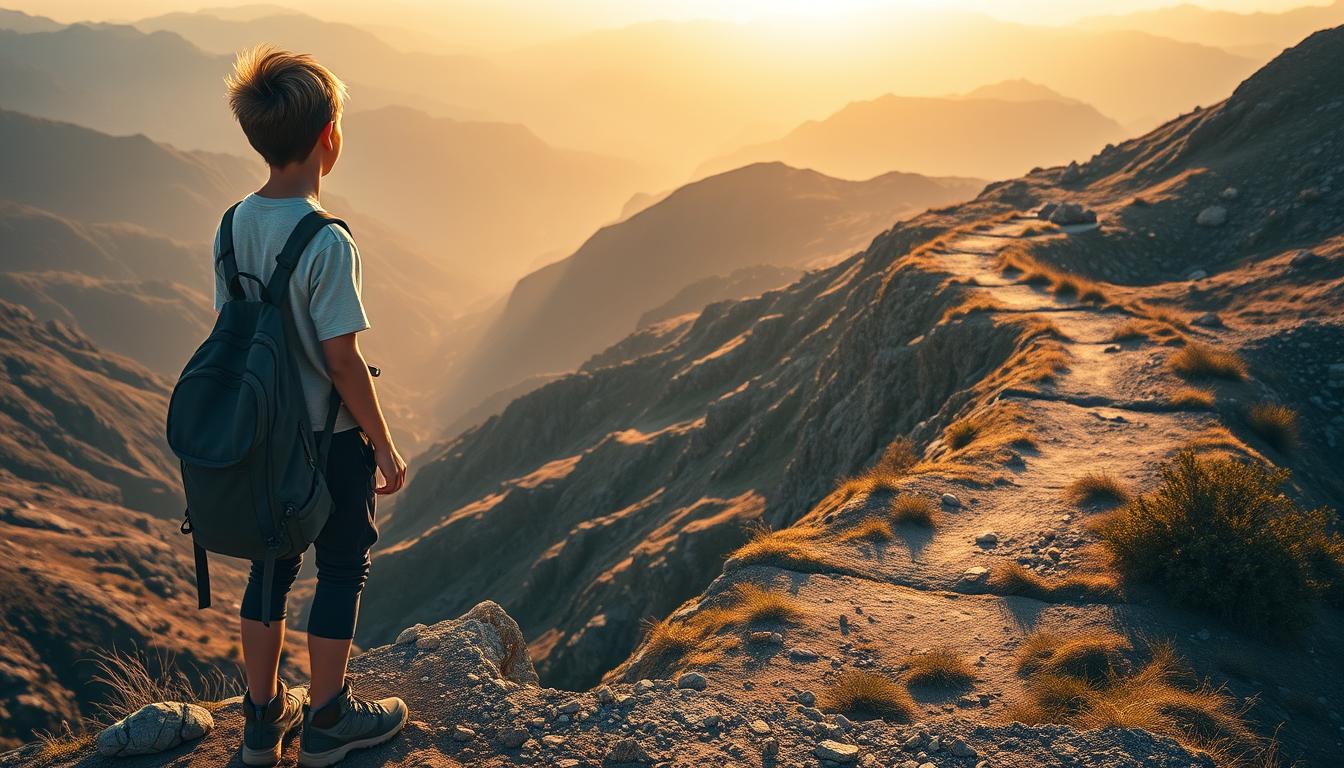
Travel has always been a spark for change, from ancient myths to today’s stories. Bilbo’s quest and Buddha’s search for enlightenment show us how leaving home can transform us. When we travel, we start a journey of self-discovery.
Travel pushes us out of our comfort zones, making us more confident and open. It teaches us to adapt, communicate, and solve problems in new ways. This mirrors the hero’s return home with newfound wisdom.
Every trip, whether to Morocco’s markets or a remote village, is a chance to learn. It shows us how travel can lead to personal growth.
The Transformative Power of Travel
Imagine standing in New Mexico’s desert, where the horizon stretches endlessly. This is where transformative travel experiences begin. Leaving comfort zone moments like this push us beyond what we know, creating space for profound shifts in how we see the world.
“The world looks different when you’re no longer looking at it through the lens of routine.”
Travel changes perspective by exposing us to new rhythms and values. Over 75% of travelers report such journeys fuel self-discovery, reshaping priorities and revealing hidden strengths. When we step away from daily life, challenges like navigating a foreign market or sharing meals with locals become catalysts for growth.
Studies show 85% of travelers carry these moments as lifelong memories that redefine their identity. Data confirms what many feel: 55% of frequent travelers grow more adaptable, while 65% of creatives cite travel as a muse. These shifts aren’t accidental—they’re the result of confronting discomfort.
The desert’s silence, a bustling street market, or a shared meal with strangers—each moment nudges us toward clarity and resilience. Such journeys aren’t just escapes; they’re laboratories for reinvention. By embracing uncertainty, we gain tools to face life’s challenges with fresh eyes.
The result? A return home with a mind expanded, ready to embrace possibilities unseen before.
Embracing the Unknown: A Catalyst for Change
Travel makes you face the unknown, but embracing uncertainty in travel unlocks hidden talents. It’s about trying new trails or dishes with strange smells. Travel as catalyst for change starts when you choose curiosity over comfort.

Research shows 70% of people grow a lot when they step out of their comfort zones. Even small actions, like talking to strangers or changing plans, can lead to big changes. The first step? Overcoming travel anxiety by taking small risks. A 2023 study found people who embrace change achieve their goals 50% more often than those who don’t.
“The journey begins when you let go of the need for control.”
Think of delays as chances to discover new things. A missed flight might lead to finding a hidden town. Or, a misheard phrase could start a new friendship. These moments teach you to adapt, a skill 90% of successful people say helped them.
When you face uncertainty, you build confidence. Travel’s surprises, like an unexpected job offer or a canceled trip, can change your goals. Remember, every challenge is a chance to grow. Let curiosity lead you, and the unknown will teach you the most.
Cultural Exposure as a Growth Mechanism
Traveling to new cultures is more than a vacation; it’s a learning experience. When we dive into local customs, food, and norms, we gain a lot. For example, in 2016–2017, over 332,000 U.S. students went abroad to learn, with 64.6% choosing short trips.
These experiences make us question our assumptions. They encourage us to grow by being curious, not by staying in our comfort zones.
Traveling for cultural understanding means going beyond the usual tourist spots. Imagine trying matcha in Kyoto or dancing at a Brazilian festival. These moments break down barriers.
A 2018 UNWTO report shows cultural tourists now make up over 40% of global travel. This shows that being curious is worth it. Even small interactions, like talking to a Moroccan vendor or learning a Creole phrase, change our view of the world.
“The Unknown becomes known only when we meet it on its own terms.”
Qingyuan Mountain’s surveys found 81.5% of visitors felt more open-minded after their hikes. This growth often starts with feeling uncomfortable, like navigating a market in Marrakech without a map. But it leads to discovering more about ourselves.
Data shows 31% of travelers aged 26–45 feel more empathetic after their trips. This shows that growth happens when we step out of our comfort zones.
Every trip, from a weekend in Barcelona to a year abroad, helps us adapt. The reward is a mind open to new experiences, ready for the next adventure.
Travel Challenges: Building Resilience
Travel makes us stronger. Think about missing a train or getting lost in a new city. These moments teach us valuable lessons. Building resilience through travel begins when we face the unknown.
Imagine standing in a foreign airport, maps in hand, looking for your gate. Every overcoming travel challenges moment makes us more focused and patient.

Studies show travel problem-solving skills help in everyday life. A 2019 study found 65% of frequent travelers became more resourceful after dealing with unexpected issues abroad. Dr. Kenneth Ginsburg’s 7Cs model—competence, confidence, connection—matches how travelers adapt.
When you negotiate a language barrier or fix a broken GPS, you’re practicing skills for work or family life.
“Resilience is built in small steps, not grand gestures.”
Data shows 80% of travelers face unexpected situations, yet 72% report increased mental toughness afterward. These experiences teach flexibility, a key trait for overcoming setbacks. Whether missing a flight or finding a solution in a crisis, travel teaches us to pivot, adapt, and trust our abilities.
This building resilience through travel mindset helps us handle life’s bigger challenges, from job changes to personal goals. The wilderness or a bustling market become classrooms where resilience isn’t just learned—it’s lived.
Social Interaction: Expanding Your Circle
Traveling helps you meet new people and form lasting bonds. Apps like Bumble BFF saw a big increase in messages during the pandemic. This shows people really want to connect.
Every time you talk to someone new, whether it’s in a hostel or on a tour, you might make a friend. Connecting with locals can create deep friendships. These friendships come from sharing experiences and understanding each other’s cultures.
Traveling teaches you to be more empathetic. You learn to overcome language and cultural barriers. This skill helps you connect with people on a deeper level.
A study from the University of California found that having a supportive network can help you achieve your goals by 50%. Traveling helps you build diverse social circles. Even small activities, like joining a hiking group or cooking class, can help you practice listening and build trust.
Both introverts and extroverts benefit from these experiences. Harvard Business Review says strong relationships at work can increase productivity by 50%. But travel relationships can shape your view of conflict, humor, and values. Every conversation abroad is a chance to improve your social skills and find people who challenge and inspire you.
Mindfulness and Travel: Staying Present
Mindful travel turns simple trips into deep experiences. It helps us stay present in new places. A 2023 study shows 90% of travelers love quiet, unplugged moments most. This present awareness strengthens our bond with places and people, reducing stress and boosting creativity.

Our brains light up in new places, making memories and focus sharper. But 60% of travelers feel FOMO, ruining their fun. To avoid this, slow down and enjoy the moment, like smelling Italian piazzas or exploring Chile’s coastlines without a rush.
Travel helps us break free from autopilot. Try local homestays, follow your curiosity, and take breaks. Even a 2022 survey found 80% of travelers feel more fulfilled without their devices. Mindful travel is about noticing the little things, like a sunset’s colors or a stranger’s smile.
Setting Goals and Achieving Them Through Travel
Travel goal setting turns dreams into real growth. Whether you’re learning Spanish in Spain or trekking in Patagonia alone, achieving personal goals through travel starts with clear plans. Over 70% of travelers say having goals makes their trips more meaningful. SMART goals—specific, measurable, achievable, relevant, time-bound—really help.
For example, planning a 30-day solo trip to Japan to learn basic Japanese is a great mix of culture and skill-building.
Adventure travelers often face unexpected challenges, like finding your way in a foreign city without a map. These travel challenges and growth moments make you stronger. Think about it: 75% of those with SMART goals succeed, and 70% of solo travelers feel more confident afterward. Sites like Worldpackers offer work exchange programs in 170 countries, making big dreams possible.
Keeping track of your progress is important too. Writing in a journal or sharing your journey on social media keeps you motivated. Studies show that travelers who document their experiences are 50% more likely to meet their goals. Whether it’s mastering a new recipe in Thailand or hiking Machu Picchu, each challenge is a step towards self-discovery.
Even small goals, like budgeting $50 daily or volunteering for a week, add up. The journey is not just about where you go; it’s about who you become. Pack curiosity, set goals, and watch yourself grow.
Learning from Local Cultures
Travel lets us explore beyond our usual ways and learn from different cultures. Seeing how others value time, family, or work makes us think about our own beliefs. This makes us more aware of ourselves and our own values.

A 2018 Harris Poll showed 87% of business travelers felt more empathy after traveling. This change came from meeting new cultures. Hazel Tucker’s 2016 study also found that travel helps us imagine others’ feelings better.
But, we must be careful not to just see things on the surface. A 2019 study found many tourists in Cambodia stuck to stereotypes. True learning comes from asking questions and being open-minded.
The World Travel and Tourism Council says more people want to experience real cultures. Harvard studies show that travel can make us more empathetic. By seeing how others live, we can rethink our own values.
Travel isn’t just about trying new things. It’s about questioning and respecting traditions. This way, travel can help us grow and appreciate the wisdom of others.
The Impact of Travel on Mental Health
Whether big or small, the Unknown beckons us to move forward, explore new ways of behavior and living, touch Life at new points, connect with the ground of our Being.
Traveling isn’t just a luxury; it’s a healing tool. Studies show 62% of people feel happier and more fulfilled after trips, according to the University of Surrey. The excitement of travel starts even before you pack. Anticipating adventures boosts mood, with Cornell University finding people feel better about life when planning experiences over buying things.
When stress takes over, travel offers a much-needed escape. Over 70% of travelers report lower stress after trips, while 94% return with more energy, per Harvard Business Review. Exploring new places disrupts negative thought cycles. Walking unfamiliar streets or trying local foods stimulates creativity, boosting brain flexibility through neuroplasticity.
Travel doesn’t erase mental health challenges, but it creates space to reset. The 78% of people who feel mentally refreshed after vacations return ready to tackle life differently. For those seeking balance, even short trips can be a first step toward reclaiming calm. The key is intention: choosing journeys that prioritize self-care and discovery.
The Lasting Effects of Travel on Personal Identity
Every journey, big or small, leaves a mark on who we are. The long-term effects of travel shape our self-view long after we return. Over a billion people travel each year, bringing back stories that change their values and dreams. These travel identity transformations become a core part of us, guiding our choices in work, relationships, and daily life.
Starting to live with travel experiences means making small changes. A visit to a coffee shop might remind you of a Barcelona café, sparking a desire to try new foods. A daily commute could inspire the resilience you learned while hiking in Patagonia. Studies show that travelers who dive deep into local cultures, like those on mission trips, often return with sharper problem-solving skills and a wider view of the world. These changes are not just temporary; they are the start of lasting growth.
Think of the traveler who once feared exploring beyond their hometown. Now, they have the confidence to tackle new challenges at work, just like they did when navigating a foreign subway. This growth isn’t magic; it’s the result of facing unknowns and building character. The key is to stay open. Keep journals, share stories, or join global communities to keep that adventurous spirit alive. Even a postcard from a past trip can spark the curiosity that drives us to grow.
Travel isn’t just about the places we visit; it’s about becoming someone who welcomes the unknown. The next time a challenge comes up, remember how a past trip taught you to adapt. That’s the true travel identity transformation—a lifelong gift of self-discovery.