



























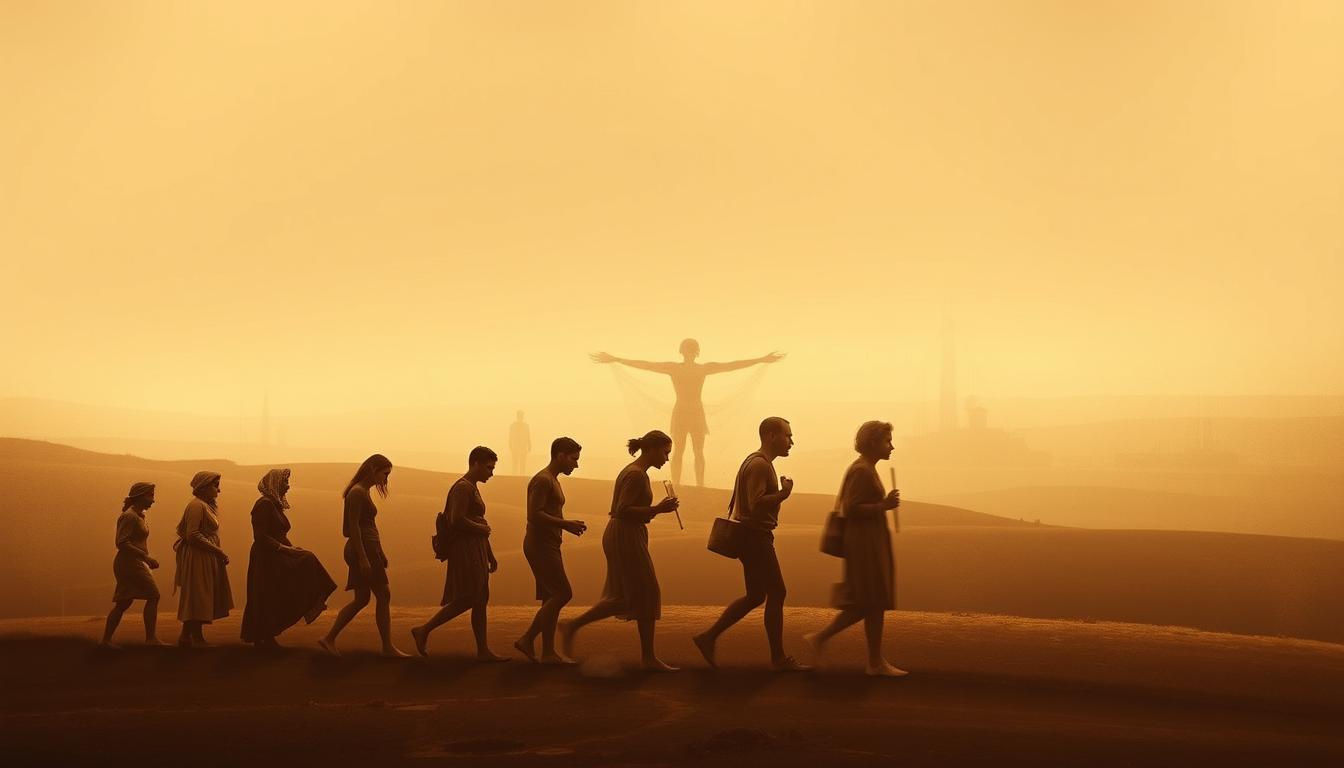
Everyone has a history, but those stories aren’t set in stone. Our brains don’t store memories like old photo albums. Instead, they’re fluid snapshots we update with every new experience. This process—memory evolution—means our view of past experiences shifts as we grow.
Changing memories shape who we are. They blend facts with feelings to form a personal narrative.
Think about a childhood memory. It’s likely different from the day it happened. The amygdala, a brain region tied to emotions, helps explain why. Traumatic events, like those faced by 30% of veterans with post-traumatic stress, can reframe how the brain recalls danger.
These changing memories aren’t errors—they’re survival tools that help us adapt. Every new lesson, friendship, or life shift nudges our past into a new light.
Science shows memories aren’t fixedable. They’re rewritten like a story we revise as we learn. Even small details, like how we view past choices, shift based on what we know now. This isn’t forgetting—it’s the brain’s way of making sense of life’s journey.
And it happens to everyone, shaping how we understand our own history.
Understanding Memory and Reflection
Memories shape who we are, but they aren’t fixed like photos in an album. Memory formation starts with how our brains piece together moments. They store fragments that get updated each time we revisit them. This means autobiographical memory—our personal life stories—is very flexible.
When you recall a childhood event, you’re rebuilding it, not replaying it. Every time we recall a memory, it can change. Details might get added or harsh truths softened.
Emotions play a big role in how we remember things. A joyful or traumatic moment sticks better than neutral ones. But, that vividness doesn’t always mean it’s accurate.
Studies show even traumatic events like war experiences can change in emotional tone over time. Our brains try to protect us by smoothing over pain. This turns sharp edges into manageable stories.
Neuroscientists found dopamine pathways directly influence memory formation (Current Biology, 2018). This explains why some memories feel clearer than others. Yet, every retelling can bring slight changes. This makes autobiographical memory a mix of past events and present emotions.
The next time you share a story from your past, remember: it’s a living document, not a finished book.
The Impact of Time on Our Memories
Time changes how we remember things. The telescope effect makes distant events seem bigger or smaller based on how we feel about them. This changes how we see time.
New memories are full of details, but over time, these details fade. What stays are the feelings we had. Big moments in our lives, like graduations or weddings, help us group our memories into different times. These markers help us organize our experiences but can also make them less clear as time goes on.

If they’re unwilling to take the necessary steps, they should at least think about altering their perspective, so that whatever’s making them so miserable is seen with a fresh set of eyes.
As time goes by, we can look at past events in a new way. A 1973 study showed how our brains change as we remember things. Important moments, like a photo from college, stay with us because they’re emotionally charged. But most of our lives are made up of fleeting moments that we forget.
Remembering becomes more about how we felt than what happened. This is because time changes the way we see things.
Time isn’t just about forgetting—it also changes what we think about. Researchers say that changing how we see things can turn painful memories into lessons. By understanding how time changes our memories, we can find new meaning in what once felt overwhelming.
Nostalgia: A Double-Edged Sword
Nostalgia can be comforting but also a trap. Studies show it can lift our mood and strengthen our bonds with others. But, it often overlooks the tough times, making life seem too good to be true.
Looking back at our past can help us feel less lonely and more resilient. This is shown in research on personal history.
In Singapore, older folks hold onto HDB estates and kopitiams as part of their history. But, experts like Dr. Nazry warn that idealizing the past can block progress. The Singapore Memory Project shows how shared nostalgia can bring people together, but too much of it can hold us back.
Pop culture also shows the two sides of nostalgia. Vinyl sales beating CDs show how we’re drawn to the past. Bands reforming and old candies coming back tap into our deep-seated desires for familiarity. But, holding onto the past too tightly can stop us from seeing what’s new and exciting.
Political decisions, like Brexit, show how nostalgia can lead to ignoring the truth. It’s a reminder that our memories are never completely accurate.
“It was the best of times, it was the worst of times,”
reminds us memories are never fully accurate. Therapists use nostalgic reflection to heal, but balance is key. We should cherish our memories but also see the full picture of life.
The Role of Storytelling in Memory
Human memory isn’t just a collection of facts—it’s a personal narrative shaped by our retelling of the past. Memory reconstruction occurs every time we recall a memory, adding depth as we grow older. Stories help us connect the dots between fragmented memories, creating a cohesive story of our lives.
Studies show that using stories can improve memory by six times compared to using lists. This shows that narratives have a powerful effect on how well we remember things. It’s not just about remembering; it’s about making sense of our experiences through reflection on the past.

Neuroscience explains why stories are so memorable. When we listen to stories, our brains react as if we’re experiencing them ourselves. Hormones like cortisol help create memories, while oxytocin makes us empathize with others’ stories. This connection is why ancient cultures used stories to pass down history, and why brands like Nike and Apple use them to build loyalty today.
Psychologist Mark Channon says that storytelling boosts our confidence in remembering events. By turning memories into stories, we give them meaning. The “flywheel effect” shows that practicing storytelling early on can greatly improve our skills. Whether it’s about our successes or failures, these stories shape who we are and what we value.
Reinterpreting Past Experiences
“I must adjust. There are times when the greatest change needed is a change of my viewpoint.”
Reinterpreting memories is more than just thinking about the past. It’s a way to see how our experiences shape us. Studies show that when we think about happy times, our brains react in special ways.
In one study, people who remembered joyful moments did so for longer. Their brains showed more activity in areas like the caudate and prefrontal cortex. This is linked to growing stronger and more resilient.
Take the author’s story for example. After losing her partner Chris, she started to focus on the good times they shared. This change is like how our brains adapt and change. By focusing on positive memories, she rewired her brain to heal.
Memory evolution isn’t about forgetting the hard times. It’s about finding new meaning in them. Therapists help people see past challenges as opportunities for growth. Even small moments of reflection can change how we remember them.
Science and personal stories both show that rewriting our past is not denial. It’s a way to survive and move forward. By choosing what to remember, we can guide our minds towards hope.
Cognitive Dissonance and Memory
Our cognitive processing often involves a silent fight between what we believe and what we remember. When we face conflicting ideas, we might change changing memories to feel better. Psychologist Leon Festinger’s theory says that discomfort comes when our actions don’t match our self-image. This makes us alter past events.

Think about choosing between two jobs. Later, you might distort memories of the job you didn’t take to justify your choice. This memory distortion isn’t a flaw—it’s a way to cope. Confirmation bias makes us pick details that support our current beliefs. Consistency bias helps us forget past differences.
Even small choices, like skipping a workout, can lead to justifications to avoid guilt.
“The wise turn lemons into lemonade,” as shared in psychological studies, mirrors how we reshape memories to align with today’s values. This mental flexibility helps maintain self-esteem but risks obscuring history’s nuances.
Studies show we often remember past choices as wiser than they were. This makes life’s paths smoother. Keeping a journal can help us see these changes, giving us clarity without judgment. Knowing this process lets us appreciate memory’s flexibility while staying true to facts.
Cultural Influences on Memory
Personal history is more than just remembering events. It’s shaped by our cultural views. Studies show big differences in how people remember things, like North Americans and East Asians. For example, East Asians remember more about the setting, while North Americans focus on the main objects.
East Asians are quicker to notice changes in the background of images. This shows their culture values relationships over single objects. On the other hand, North Americans are better at spotting similar objects, which fits their individualistic culture.
Our brains also reflect our culture. East Asians use different brain areas for scene processing, focusing on the context. Westerners, in contrast, use areas more for focusing on objects. This is why Canadian postal workers got better at remembering categories through their job, showing how culture shapes our brains.
These studies show that memory is not neutral. It’s influenced by our cultural values. Whether we remember community stories or personal achievements, our memories reflect our culture. This understanding helps us see that our memories are not just personal but also part of a larger cultural story.
Memory Recollection Techniques
Memory recollection isn’t fixed. Techniques like journaling and mindfulness change how we view the past. These methods help us rebuild our personal histories, showing us that memories can change.

“Effective encoding strategies, such as forming associations and imagery, enhance memory retention.” — Craik & Lockhart (1972)
Journaling helps us remember details right after they happen. It keeps our memories from getting distorted. Mindfulness makes us more aware of the present, helping us form clearer memories.
Meditation helps us observe memories without judging them. This calm focus supports us in rebuilding our memories. Mnemonic systems, like the memory palace, also improve recall. Simon Reinhard’s record of 240-digit sequences shows how practice can sharpen memory.
Yet, even these methods have their limits. Studies show that 72% of people can recall studied words, but 84% might remember related words that aren’t true. This shows how memories can mix fact and fiction.
Therapeutic life reviews help us reflect on our past in a meaningful way. They show how our memories change over time. Even though we might add false details, like thinking we saw a window when it was a door, these reviews help us stay accurate.
Memory techniques are not about being perfect. They’re tools to help us engage with our past. By using different methods, we create stories that are both true and meaningful to us. Every memory is a mix of fact and interpretation, shaped by the tools we use.
The Psychological Need to Make Sense of the Past
“You should be enjoying the hell out of this life. If you aren’t, change it! Don’t wait until you’re on your deathbed saying ‘if only, if only.’”
Humans naturally look for patterns in their lives to connect past, present, and future. This need to make sense of our experiences helps us create a coherent story of our lives. By turning painful memories into stories of growth, we regain control over our past.
Studies show that these stories make us stronger, give us purpose, and help us connect with others. Our culture influences how we tell these stories. In the West, we often focus on personal achievements, while in some cultures, family or community is more important.
Nostalgia, or the longing for the past, activates parts of our brain linked to emotions and memories. Our brains tend to edit memories to fit our current values. This editing process helps us understand who we are today.
Psychologists say 75% of our conversations involve nostalgic memories. While it’s important not to idealize the past too much, our desire to make sense of our experiences is common. By embracing this process, we can grow and make better choices today.
The Influence of Significant Life Events
“If someone knew my past struggles, they’d treat me differently. Memories shape how others—and we ourselves—see our journey,” says one person describing how their teenage eating disorder reshaped their life perspective over time.
Major life events are like landmarks in our minds. Traumatic experiences can leave deep scars, creating gaps or vivid memories. On the other hand, happy moments like graduations or weddings anchor our stories, dividing them into “before” and “after” periods.
Most adults remember more from their teenage years to early thirties. This shows how these years deeply shape us.
Social connections also play a big role in how we remember these events. Studies show that older adults with strong social ties are less likely to get dementia. Even big global events can become important markers for a generation, changing how we see our lives.
When we face big changes, like a new job or health issue, it can change how we see our past. But, we can learn to see these moments as part of our growth, not just as challenges.
By journaling or sharing our stories, we can view these moments as chapters in our lives. This way, our memories enrich our stories without holding us back.
The Applicability of Looking Back
Looking back at our past can change how we face today’s problems. Our personal history shows us patterns in our decisions. By examining our past choices, we can see what helps or hinders us.
This reflection on past isn’t about getting stuck in the past. It’s about learning. Studies show that structured reflection, like Gibbs’ 1988 six-stage cycle, makes us better problem solvers.
“Autobiographical reasoning links past struggles to present resilience,” notes research in social psychology. “It helps us see growth where we once saw failure.”
As we grow older, our life perspective changes. What seemed important at 20 might now seem less so. This change isn’t about ignoring the past—it’s about gaining wisdom.
Techniques like journaling or talking about memories with loved ones can turn nostalgia into useful lessons. For example, life review therapies for older adults cut loneliness by 34%, as shown in clinical trials. This shows that structured reflection can boost mental health.
It’s important to find a balance. Healthy reflection is different from getting stuck in the past. Start by noting one past experience each week and ask, “What changed? What stayed the same?” Over time, these reflections can guide us to make better choices. Remember, every story from your personal history is a lesson for the future.
Conclusion: Embracing Memory Evolution
Memory evolution is a natural part of life. As we grow, our memories change, showing our growth, not failures. Negative experiences may stay, but they’re just part of our story.
Research shows 75% of career changes lead to resilience. This shows how looking back can give us new strength. By seeing memories as changeable, we become more flexible and grow from our past.
Sharing our evolving views strengthens bonds. Over 85% of professionals say mentorship helped them. Like how emotional memories shape our focus, our stories change as we learn.
Letting go of fixed views lets our stories grow. This growth enriches our relationships and understanding of ourselves. It shows that growth is a lifelong journey, making our past a guide, not a limit.