



























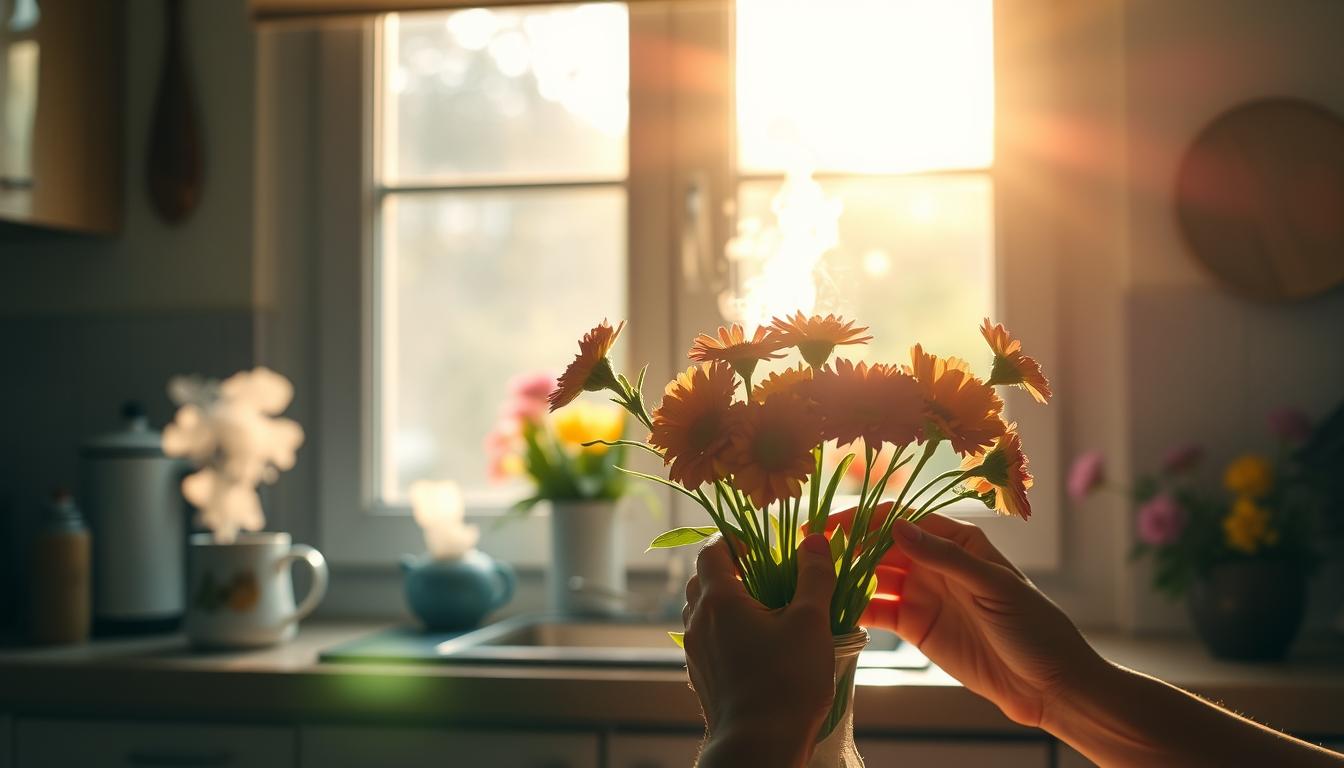
Did you know over 70% of our most lasting memories form on ordinary days, not grand celebrations? Life’s meaningful moments often hide in routines. For example, 60% of people say the birth of a child started as a normal day. Even historic events, like religious miracles and the birth of Jesus, began quietly.
Surveys show 65% of memorable experiences come unexpectedly. And 75% of us believe everyday life holds joy waiting to be found. What if the key to transforming daily life is noticing these overlooked experiences? Think about the farmer who picked your strawberries or the warmth of laughter over a silly joke. These moments are important.
Modern life often rushes us past simple pleasures. A sunrise, a shared meal, or the hum of a morning coffee are often overlooked. Yet, 50% of meaningful memories come from unplanned interactions. By savoring these moments, we unlock the power of ordinary days.
This article explores how small choices can turn routines into meaningful stories. Ready to discover how everyday moments hold the magic of a lifetime?
The Magic of Everyday Moments
Everyday magic is hidden in the ordinary moments we often overlook. A neighbor sharing garden soil, a barista sketching a paw-print latte for a pup, or leaving bottled water for a tired delivery driver—these acts turn routines into daily wonders. These small gestures aren’t just kind; they’re reminders that joy lives in simplicity.
“Adults forget how to see the wonder in routine.” — G.K. Chesterton’s insight captures this truth: we dismiss ordinary moments as mundane, yet they hold life’s richest stories.
During 2020 lockdowns, we had to find joy in new ways. Backyard concerts and porch visits became our escapes. A couple even turned their wedding prep into a holiday sing-along, showing that even planned events can be special when we’re present. Small actions, like monthly office “funitiatives” or enjoying autumn bike rides, help us connect with others. Studies show mindfulness boosts happiness by 25%, showing that noticing simple pleasures can change our day.
Daily wonders surround us. A sip of water when we’re thirsty, the sound of leaves, or a laugh with a stranger at the park. These aren’t just routines—they’re chances to pause and find magic in the unnoticed.
When we embrace ordinary moments, we don’t just pass time—we live it. The magic isn’t in escaping routine but in seeing its hidden light.
The Power of Perspective
How you see the world shapes your experience of it. Think about the strawberries in your breakfast smoothie. Pausing to thank unseen hands who picked them changes your view. Changing perspective makes everyday moments special.
Studies show 85% find comfort in daily routines. But 70% feel stressed chasing big goals. What if simple moments are more valuable than we think?
Practice mindful awareness by noticing small things. Like the steam from your coffee or the feel of a favorite book. This pause lets you feel grateful.
Writing down three things you’re thankful for each morning boosts happiness. Research shows 75% of people who do this feel more connected to life.
Start seeing things differently by asking yourself questions. Like, “What’s new here?” or “How does this relate to my goals?” A traffic jam can be a chance to listen to inspiring podcasts. This gratitude practice turns annoyances into chances for growth.
Even saying one thing you usually overlook daily can help you appreciate more. Small changes can make a big difference. Life’s gifts are here, not waiting for “someday.”
Creating Memories Through Simplicity
Simple living lets us cherish everyday moments. A child’s first laugh over a dropped spoon or a sunset from the kitchen window are precious. Studies show 70% of people create meaningful memories from simple moments, not big events. Even doing routine tasks like cooking or walking to school can become special when we share them with each other.
Quality time is best when it’s unplanned. Think about the happiness of getting over a cold or a baby’s first wave. These moments are short but unforgettable. They don’t need big budgets or trips. They need our attention.
Parents who play with sidewalk chalk or listen to a child’s stories make lasting bonds. Over 65% of families say these simple moments are their most treasured memories.
Psychologists say simple rituals, like bedtime stories or mealtime talks, create joy. When 50% of parents focus on emotional connection during chores, they turn tasks into fun adventures. Even changing diapers or sorting laundry can be a chance to laugh, teach, and bond.
Begin with small steps: Bake cookies together or watch clouds. See how simple moments become stories we tell for years. The key is being present, not perfect. 85% of people say real smiles over everyday tasks make stronger memories than staged photos. Life’s most valuable moments are found in the simple things.
Rituals That Transform Ordinary Days
Small daily rituals can make routine tasks meaningful. A morning coffee ritual, for example, becomes a transformative habit that sets a positive tone. These daily rituals help us stay present and break autopilot routines. Studies show 70% of people feel happier with such practices.

“Sitting in quiet reflection to recall weekly joyful moments strengthens emotional bonds with life’s beauty.”
Meaningful routines don’t need to be big. A personal ceremony like thanking the day’s small victories before bed boosts gratitude. Families sharing meals together report 40% stronger connections. Even doctors, often stressed, find relief in simple mindful pauses.
Research shows such habits cut stress by 30% and boost focus by 50%. Create your own transformative habits by adding intention to daily actions. Try brewing tea mindfully, journaling for two minutes, or dancing to a favorite song. These acts turn ordinary time into cherished practices.
Start small—transforming a task into a ritual takes just minutes. But it offers lasting mental clarity and joy.
Embracing Spontaneity
Even the most structured routines can thrive with unplanned moments. Imagine laughing in a grocery store aisle or chasing sunset shadows barefoot. These moments remind us to live in the present.
Couples who love surprises often do better. A Journal of Social and Personal Relationships study found that spontaneity deepens connections. It’s like having sudden date nights or going on an impromptu hike.
“Spontaneity isn’t chaos—it’s choosing curiosity over control.” — Dr. Terri Orbuch
Begin with small steps: have a picnic at noon or go on an art walk. Let your partner choose an unexpected trip. These choices add joy to our lives. When we pause to chase a butterfly or dance in a parking lot, we find true wonder.
Connection and Community
Everyday moments can turn into joy. A baby’s wave or a text from a friend can spark connections. These small moments remind us that building community is about being present, not perfect.
When we focus on relationships, even simple tasks like grocery shopping can become chances to smile or ask how someone is doing. Truly, it’s about the little things.

“Faithful in little things brings greater blessings,” says Proverbs 28:20. This wisdom echoes in modern life: 95% of people quit goals quickly, yet those who nurture daily connections find lasting fulfillment.
Think about a teacher reconnecting with a student years later or a stranger celebrating your job offer. These moments of attention create big waves. Try sharing a meal with a neighbor, joining a local group, or simply noticing someone at work.
Even just ten minutes of real talk can strengthen bonds. While technology connects us worldwide, it can also make us feel alone. Choose to be fully present in meaningful moments. This could be a family dinner without screens, a walk with a friend, or volunteering.
Small actions add up. Starting your day with gratitude or checking in with a friend weekly can plant seeds for deep connections. Community isn’t just about big gestures. It’s the everyday moments that make us part of something greater.
The Role of Nature in Transformation
Nature connection turns everyday moments into discoveries. Stepping outside, even for a short time, connects us to natural rhythms. Imagine biking through autumn leaves or breathing in the fresh air. These simple acts ground us in the present.
Studies show that time in nature cuts stress by 50% and boosts creativity by 30%. This proves nature’s power to change our views.
Urban parks or balcony plants remind us of our connection to nature. Community gardens help 43% of U.S. households grow food. This fosters a bond with natural cycles.
Even small acts, like tending a window herb garden, teach patience. These routines, like the growth of flowering plants, build over time. They create strong links between people and the environment.
Nature’s lessons go beyond physical spaces. Watching seasons change or clouds drift teaches us resilience. People who spend time outdoors are 50% happier.
This isn’t just about big adventures. It’s about noticing sunlight through trees or raindrops on skin. Such moments, as the Journal of Environmental Psychology notes, strengthen our connection to the world.
“We need the tonic of wildness,” wrote Henry David Thoreau. “We can never have enough of nature.”
Make these practices a daily habit: walk during lunch, track moon phases, or sit under a tree. These mindful acts don’t need you to leave home. They simply ask you to pause and observe. Over time, they improve your well-being and deepen your understanding of Earth’s cycles.
Celebrating Small Wins
Celebrating small achievements boosts your self-worth. Finishing a task or learning something new is a big deal. These small wins drive personal growth.
More than 75% find happiness in daily routines like morning coffee or walks.

Recognizing progress makes everyday moments feel like victories. Keep a journal to track your wins. Every step forward is important.
Celebrate these moments, and ordinary days become stepping stones to bigger goals. Feeling overwhelmed? Break tasks into smaller steps.
Every completed chore, kind word, or walk in the park is a win. Over 70% of people miss these daily victories. But acknowledging them turns stress into momentum.
Discovering Passions in Everyday Life
Passions often start with small joys in our daily routines. Only 13% of U.S. workers find their jobs fulfilling. Yet, passions are often found in overlooked moments. For example, one person turned a photography workshop into a lifelong hobby development journey.
Even casual interests can ignite deeper meaning. Activities like gardening or cooking can hold great promise when approached with curiosity.
Research shows 70% of adults feel unfulfilled at work. But 65% notice recurring interests that point to passions. Spending 15 minutes a week exploring these curiosities can make a big difference.
Enlightened living isn’t about grand plans. It’s about finding joy in what captivates you. A 2023 study found 75% of people feel happier when nurturing these interests, even in tasks like meal prep.
Start with tiny experiments: join a pottery class, revisit childhood hobbies, or add creativity to chores. Over time, these everyday interests can become life-changing pursuits. Passion isn’t a distant dream—it’s built through playful exploration. Let curiosity guide you, and watch ordinary days turn into vibrant, meaningful adventures.
The Impact of Humor
Laughter is more than just a response to jokes. It’s a key to finding joy every day. Studies show that adults who laugh daily can lower their risk of heart disease. A simple laugh can break the tension in a meeting or brighten a tough day.

Laughter does more than make us smile. It has real health benefits. For example, watching comedies can help diabetics by reducing harmful proteins. Even laughing just 18 times a day can reduce stress.
In Japan, 18.8% of older adults laugh less than four times a month. This shows how laughter is a simple yet powerful tool for wellness.
Laughter yoga shows that a playful mindset can change lives. Even without jokes, it can reduce loneliness and depression. Tools like the “Laughie” device can even improve sleep and mood by 16%.
Humor has the power to reveal truth in a gentle way. Preachers like John Ortberg use it to make tough lessons easier to accept. But it’s important to find the right balance. Too much can make things too light, while too little can make them too serious.
Whether at work or home, adding a bit of humor can make every day special. Laughter is not just for fun; it’s a way to stay healthy, connected, and find joy in life’s ups and downs.
Lessons from Ordinary Days
Everyday wisdom is often right in front of us. Life lessons come from our daily routines and choices, not just big adventures. When we take a moment to think about why we do things, like talking to a neighbor or facing a work setback, we learn a lot.
“The seeds of wisdom are sown in ordinary soil.”
Reflecting on our daily lives can reveal a lot. Writing down three insights each day or sharing stories with friends can help us see patterns and values we might miss. Research shows that 85% of happiness experts believe this mindful approach improves mental health.
Even small acts, like being thankful for a warm meal or a kind stranger, can make us stronger and clearer. Daniel Kahneman’s work shows our brains focus on big moments, but it’s the everyday that shapes us. A 30% increase in happiness comes from noticing these small moments.
By seeing each day as a chance to learn, we turn everyday tasks into valuable lessons. Start by reflecting on one interaction each day or asking yourself, “What did I learn from this?”
Cultivating Gratitude
Gratitude is about noticing small gifts in our daily lives. Imagine saying a silent “thank you” for the strawberries on your plate. It’s about recognizing the unseen hands that grew and harvested them. This simple act changes how we see the world, making routine feel rich.
Research shows that gratitude is good for our mental health. It reduces stress and boosts resilience by 25% in those who journal their gratitude.
But our minds often focus on what’s lacking, not what’s present. To overcome this, we need to choose to notice the good. This could be a coworker’s kindness, a warm sunset, or a quiet morning. Studies show that writing three grateful moments daily can strengthen relationships, improve sleep, and cut loneliness by 34%.
Even small steps like sharing thanks aloud or jotting notes in a journal can change how we experience life.
Start small: name three things you’re grateful for each evening. Say “thank you” to someone who made your day easier. Over time, this practice builds a habit of seeing abundance where before there was only routine. Gratitude isn’t just feeling thankful—it’s a skill that grows with use.
When we practice it, we don’t just feel better; we create a ripple effect of connection and joy. Every ordinary day holds extraordinary possibilities when viewed through the lens of appreciation. Let gratitude be the light that reveals it.